

Your home’s gutters handle more than meets the eye. Especially in the Pacific Northwest, where heavy rains and seasonal snowmelt are factors, staying ahead of gutter problems can save you from significant headaches and costly repairs. But how do you know when your gutter system is no longer protecting your property as it should? Here’s a comprehensive look at the key early warning signs of gutter failure and what you should do next.
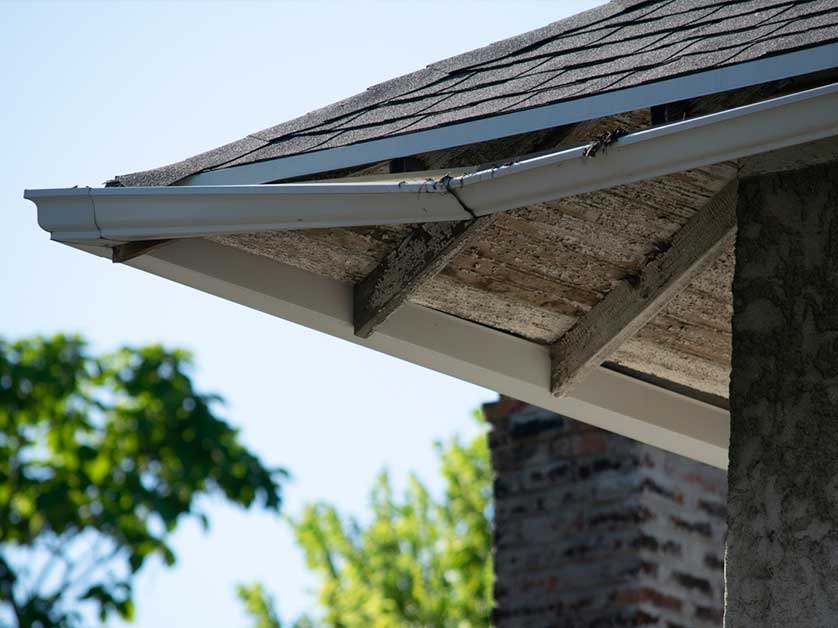
Visible Overflow or Pooling Water
One of the most obvious early signs of gutter trouble is water spilling over the edges during moderate to heavy rain. It’s a red flag that the system isn’t channeling runoff properly. This issue often appears in the fall and spring, when leaves or pine needles block the troughs. If you spot a curtain of water instead of a steady flow to the downspout, a blockage, improper pitch, or damaged section could be to blame.
While sometimes this can be solved with professional cleaning, persistent overflow usually hints at underlying issues, such as small cracks or accumulated debris that only a gutter replacement will resolve.
Sagging, Bowing, or Separating Gutters
Pacific Northwest weather means gutters face heavy water loads, occasional ice, and plenty of windblown debris. When gutters start to sag away from the fascia board or visibly bow in the middle, it’s a sign that the fasteners or supports are failing. The added weight of soggy leaves, packed debris, or even partial ice blockages puts immense strain on gutter hardware.
If fasteners are missing or pulled loose, you may notice loose screws at the base of your home. Ignoring these issues can quickly lead to sections falling away altogether or major fascia board damage.
Cracks, Rust, or Holes Appearing
You might not see every small crack right away, but rust spots, pinholes, and split seams eventually show up as water staining below the gutter line. These issues are especially common in older, unprotected gutters that lack gutter guards. Cracks can initially appear minor but will only get worse as freeze-thaw cycles and moss growth push them wider, leading to leakage behind siding or into your foundation.
If water stains or bubbling paint appear on siding just below your gutter, this is often water seeping out of a crack or hole. Repeated leaks can also spur mildew or moss growth—another problem in our damp climate.
Unusual Plant Growth and Organic Buildup
Seeing small plants or grass sprouting from your gutters is a definite sign that material and moisture are lingering far too long. Not only does this organic matter slow water flow, but it also accelerates corrosion and rot. Homes in tree-dense areas experience this often by late spring unless gutter guards are installed and annual cleanings are performed.
Ice Dams and the Role of Gutter Heat Coils
In colder winter months, ice dams are a unique threat. When gutters become blocked or aren’t pitched correctly, water can freeze and create a barrier along the roof edge. This can cause melting snow to pool under shingles, risking leaks and roof damage. Installing gutter heat coils offers vital protection by keeping water moving freely, reducing ice buildup, and preventing damage to your gutter system and roof in cold snaps.
When to Consider Gutter Replacement
Some issues, like minor overflows from pine needles or leaves, can be corrected with professional gutter cleaning or installing gutter guards. However, if you notice multiple problem signs such as sagging, separation, split seams, or widespread rust, it’s likely time for a full gutter replacement. A new system ensures your home remains protected during heavy rainstorms, snowmelt, and year-round weather challenges.
Get Professional Gutter Inspection and Service
Acting early is the best way to protect your home from costly water damage. If you’ve noticed any of these warning signs, contact Mountain Peak Gutters for a thorough inspection. We provide tailored solutions including gutter replacement, the installation of gutter guards, and gutter heat coils to ensure your system performs in every season. Schedule an appointment today to keep your property safe and dry. Give us a call at (720) 767-0800 or visit our Specials page.


Leave a Reply